
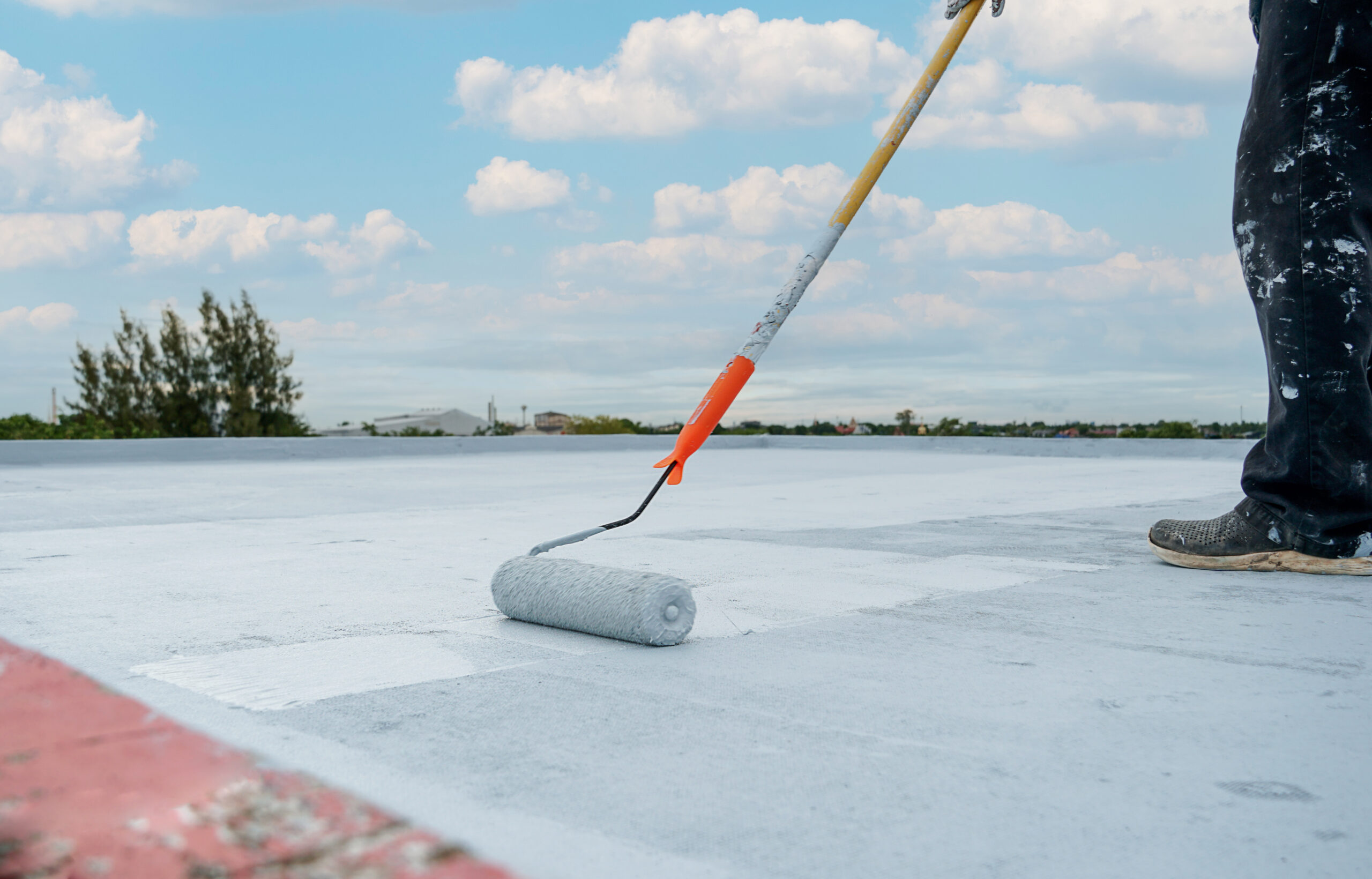
Waterproofing failures usually do not show up right away. They show up after finishes are installed, when access is harder and repairs cost more. The fix is not a new product. It is a clear plan, clean details, and verification before anything gets covered.
This checklist is written for exterior decks, balconies, and planters where water exposure is constant.
Where leaks usually start
Most leaks trace back to a short set of issues.
-
Slope is wrong, so water sits instead of moving to drains.
-
Edges and door thresholds are not detailed correctly.
-
Penetrations are not treated as high risk points. Rails, lights, gas lines, irrigation, and posts all count.
-
Drains, scuppers, and overflows are missing, undersized, or placed wrong.
-
Planters hold water against walls and slabs, and the drainage layer is not doing its job.
If you only review the flat field area, you miss the real failure points.
The 2026 checklist by area
1. Decks and balconies
Start with these questions before selecting a system.
-
What is the water path
Where does water go, and how does it leave the surface every time it rains. -
Confirm slope and drainage
Confirm slope direction. Confirm drain locations. Confirm scupper or drain capacity. Confirm a backup overflow path. -
Substrate preparation
Confirm the surface is clean, stable, and compatible with the waterproofing system. Any cracks or movement points should be planned for, not ignored. -
Membrane selection based on use
Is it a walking surface. Is it under tile or pavers. Is it exposed to sun. Pick a system that matches traffic and exposure. -
Edge and wall transitions
Edges are where systems fail. Confirm drip edges, terminations, and wall upturns. Confirm how the system ties into stucco or cladding details. -
Door thresholds and flashings
This is a top leak area. Confirm threshold height, flashing sequence, and how water is kept out at the door line. -
Penetrations and attachments
Every penetration needs a detail and a method. Do not let the trade decide this on site. Rail posts, mounts, and fixtures need planned waterproofing treatments. -
Protection before finishes
If tile, pavers, or a topping will go on top, confirm protection layers and bonding compatibility.
2. Planters
Planters add water load, soil load, and root pressure. Treat them as a separate system.
-
Waterproofing system selection
Planter systems need strong protection and clean terminations. Confirm full coverage at the base and up the walls. -
Root barrier and protection board
Roots and soil movement can damage membranes. Plan a root barrier and a protection layer that will not get punctured during install. -
Drainage layer that actually drains
A planter must have a drainage layer that moves water away from the waterproofing. Confirm the drainage path to weeps or drains. -
Overflow strategy
Assume the primary drain can clog. Plan an overflow so water does not rise above safe levels against the wall. -
Irrigation control
Irrigation leaks are common. Confirm access to valves, leak detection if needed, and that water is not spraying toward walls.
Quality checks before finishes
Do not skip verification.
-
Photo documentation of all details before they are covered.
-
Inspection coordination at the right stage, not after finishes.
-
Flood testing where appropriate and safe for the assembly.
-
Sign off points for edges, thresholds, and penetrations.
Owner maintenance basics
Waterproofing systems still need maintenance.
-
Clear drains and scuppers regularly.
-
Inspect sealants and joints on a set schedule.
-
Watch for early signs: staining, bubbling paint, musty smell, or damp interior corners.
Next step
If you are planning a renovation or exterior rebuild, start with a site review focused on edges, doors, drains, penetrations, and planters. A short review upfront is often enough to prevent the expensive fixes that come later.