
ADU Services
KOM Construction builds ADUs with a clear scope, permit control, and tight sequencing so the project stays predictable from feasibility through final inspection. Whether you are planning a detached backyard ADU, garage conversion, or an attached build, we coordinate design, approvals, trades, and inspections under one accountable team.
Why Choose Us
ADU construction, Start to Finish
Site-first planning that prevents surprises
ADUs get complicated fast when access is tight, utilities are limited, grading changes appear late, or existing structures do not match drawings. We start by validating real site constraints and buildability before locking design and budget direction.
Permits and approvals managed as a system
ADU timelines often break at plan check. We manage plan sets, submittals, corrections, resubmittals, and inspection readiness as one workflow so approvals do not drift for weeks between handoffs.
Construction sequencing that protects the main home
Most ADUs are built while the primary residence remains occupied. We stage work, control access, plan shutoffs, and sequence trades to reduce disruption and maintain safety and order on an active property.
What We Do
ADU Services We Provide
We confirm what type of ADU fits the lot and what constraints will shape the build. This includes access, setbacks, buildable footprint, drainage, utility routing, and any hillside or hard access factors that affect cost and schedule.
Detached and Attached ADU Construction
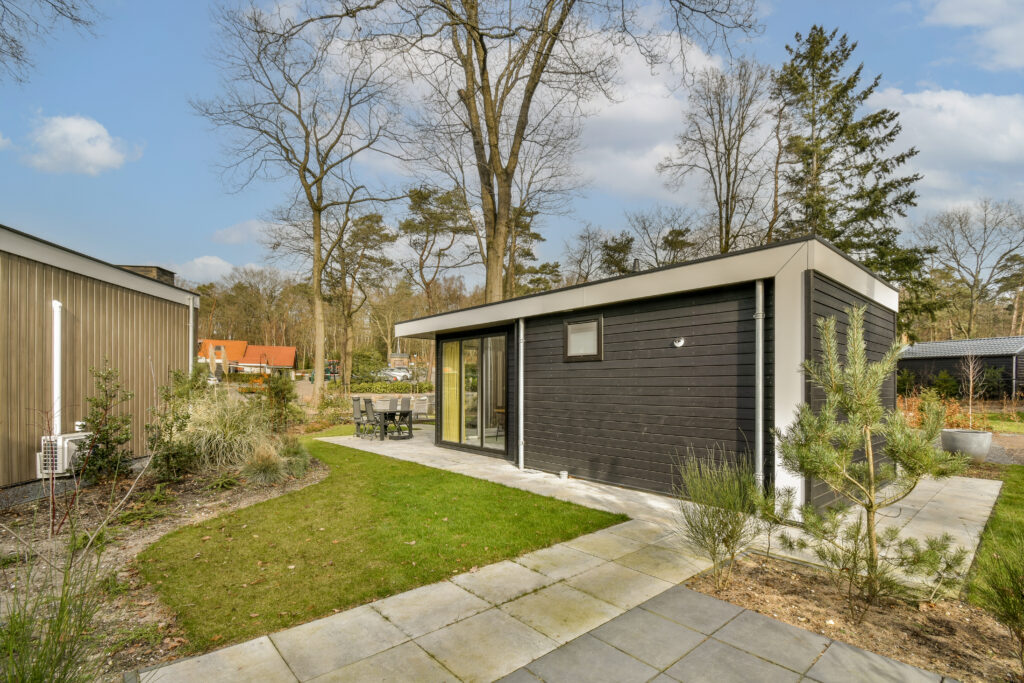
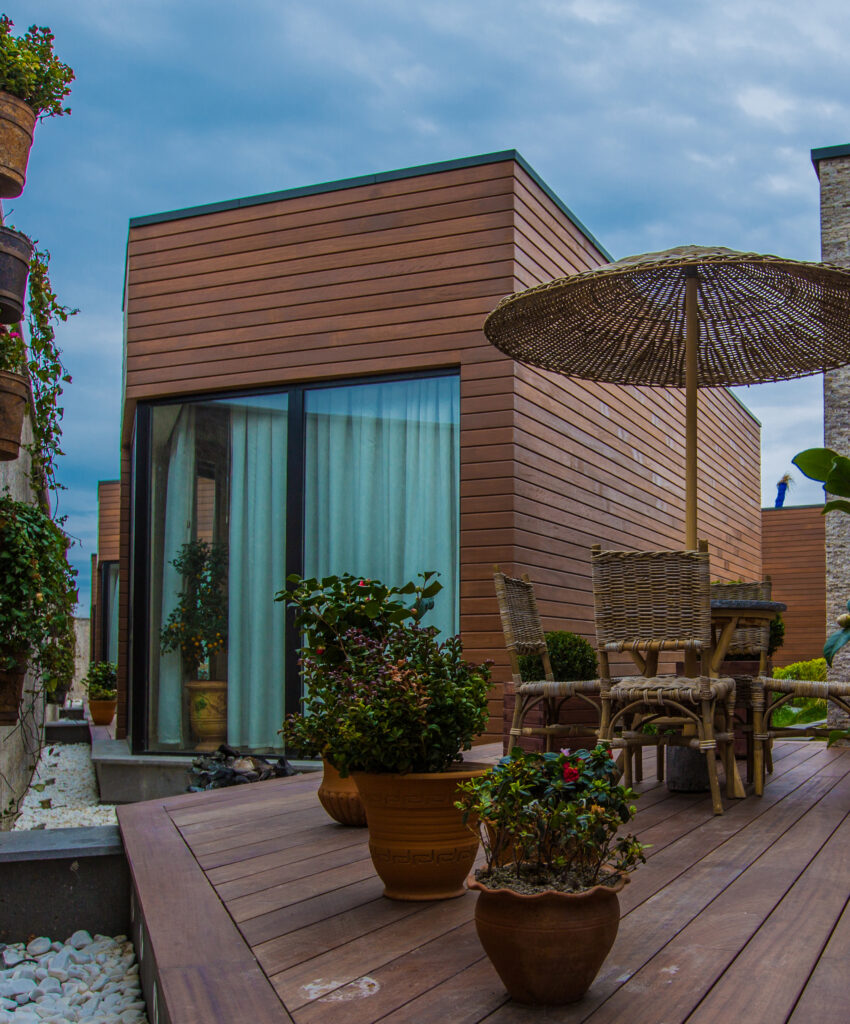
We build detached backyard ADUs and attached ADUs based on your design direction and site limits. Work includes site prep, foundation, framing, roofing, exterior, interior build out, and final close out through inspections.
Garage Conversion ADU
We convert existing garages into legal living space with the required structural and code upgrades. This often includes slab and framing checks, fire rated assemblies, insulation, ventilation, utilities, and egress requirements to meet current standards.
Above Garage and Two Story ADU Work
Where allowed, we frame and build above garage units and multi level ADUs that require higher structural coordination. These projects depend on load paths, engineered connections, access planning, and careful staging.
Utilities and Service Coordination
We coordinate water, sewer, electrical, and gas scopes tied to the ADU. This includes planning for capacity, routing, shutoffs, tie ins, and scheduling utility related work so inspections stay on track.
Close Out and Inspection Support
We coordinate required inspections and final approvals through turnover. You get a clear close out path, final sign offs, and a clean handover package when the project completes.
How we do it
Our ADU Process
Built for compliance. Executed with control. Handed off trade-ready.
Step 1. Feasibility and Scope Lock
We start by confirming if the property supports the ADU type you want and what the build will require. We identify access constraints, utility strategy, and any site issues that can trigger change later. The output is a defined scope direction that design and pricing can reliably follow.
Step 2. Plans and Permits
We coordinate the drawings and required documentation for submission and plan check. We manage responses to jurisdiction comments and keep resubmittals organized so approvals do not drift. Once permits are issued, we align the inspection path with the construction sequence.
Step 3. Build, Inspections, Turnover
We run the build in clear phases, site prep, structure, rough ins, close in, finishes, and final inspections. We keep the site organized and trade ready so each phase hands cleanly into the next. The project closes after final sign off and a complete handover.
Yes. We review zoning, lot configuration, setbacks, access path, and location of existing structures. We also look at practical build constraints like staging space, slope, drainage, and utility routing. The goal is to confirm feasibility before design decisions get locked.
Yes. We coordinate the plan set, submit to the jurisdiction, and manage plan check responses and resubmittals. We also align the permit path with construction sequencing so permit timing does not derail the build start. Requirements vary by city, so we track the local steps instead of using generic assumptions.
A garage conversion often looks simpler but can hide code upgrades. Typical issues include slab condition, ceiling height, framing modifications, ventilation, insulation, fire rated assemblies, and utility routing. A detached ADU usually has more predictable structure but requires more site work like foundation, exterior envelope, and new utility runs.
Yes, most homeowners stay on site. We plan site access, safety separation, working hours, staging, and cleanup to reduce disruption. Utility work is scheduled to avoid unexpected shutoffs and we coordinate tie ins with clear notice.
The biggest cost drivers are site conditions, utility scope, structural complexity, and finish level. Hard access, slope, drainage work, long utility runs, and structural upgrades in conversions can change cost materially. The most reliable way to control cost is to lock scope early and avoid late layout changes during permit or rough in.
Still have questions? We’re here to help.